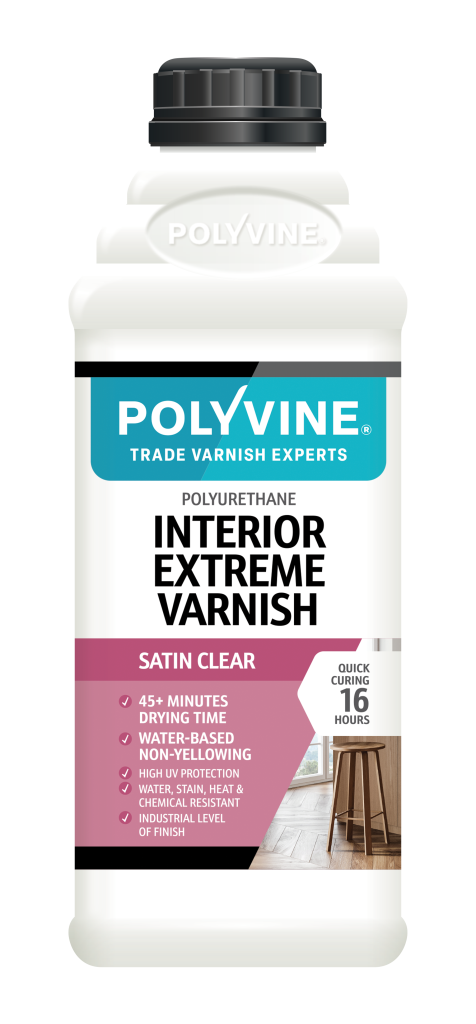
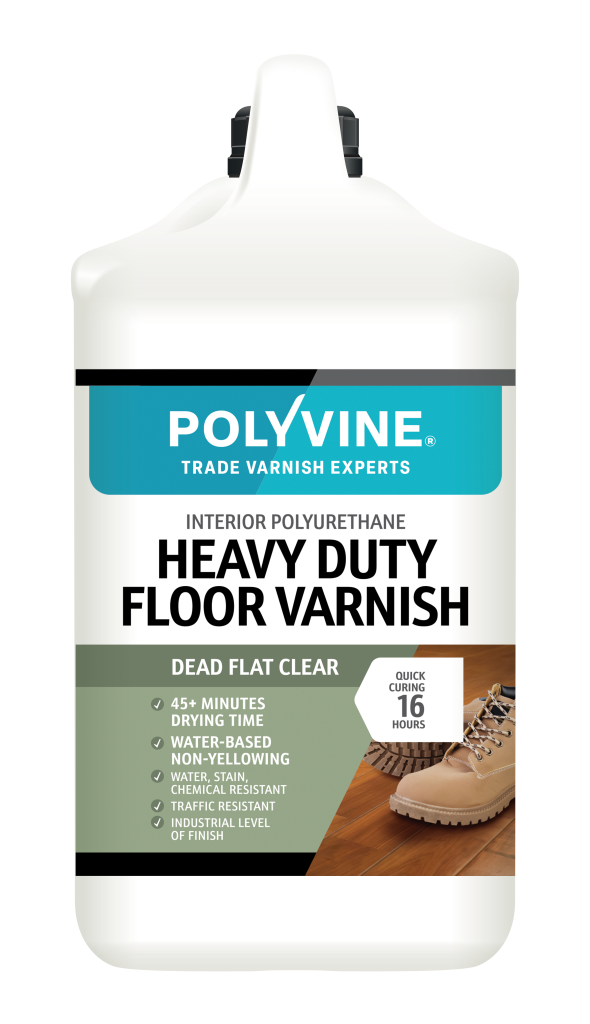
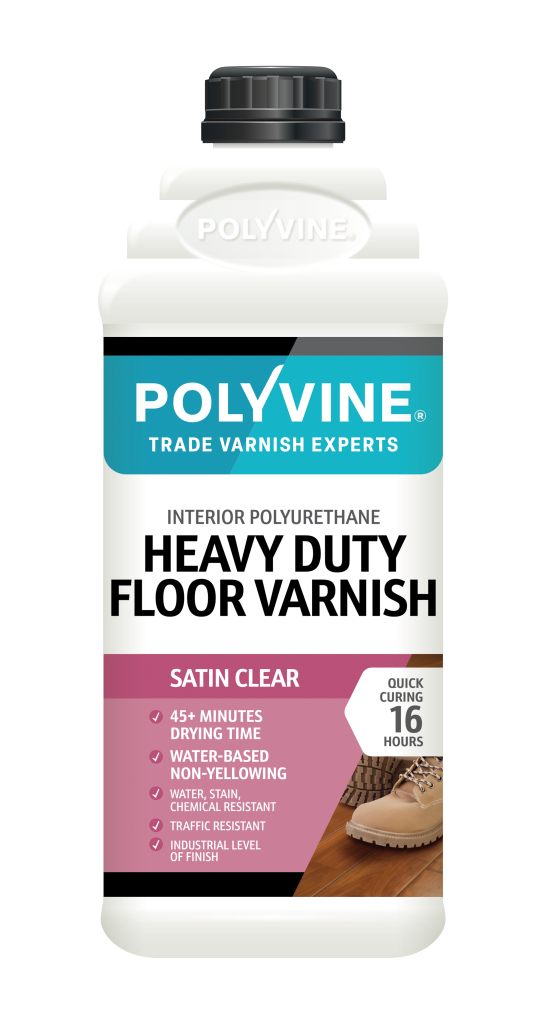
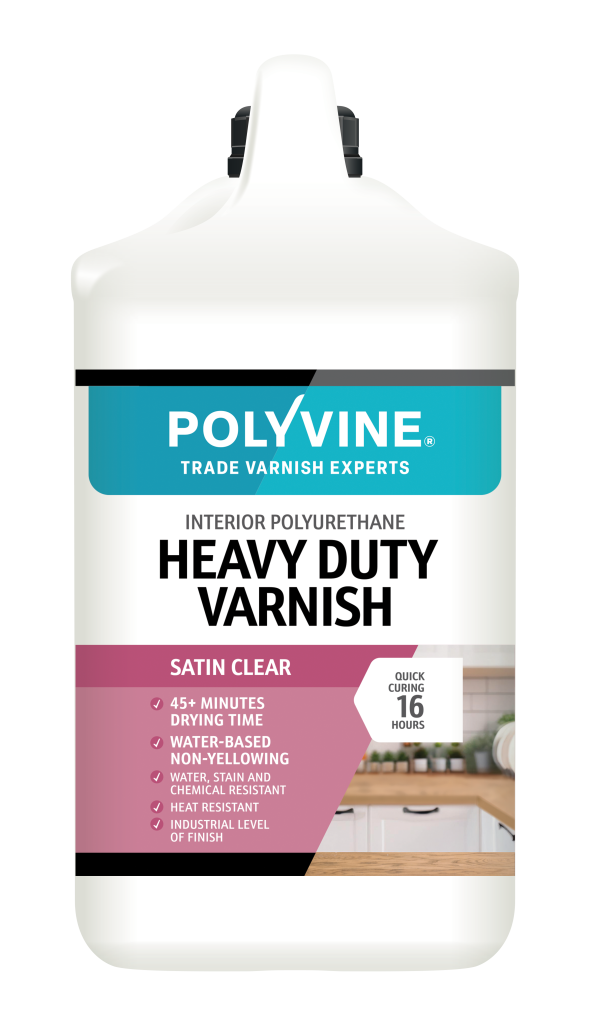
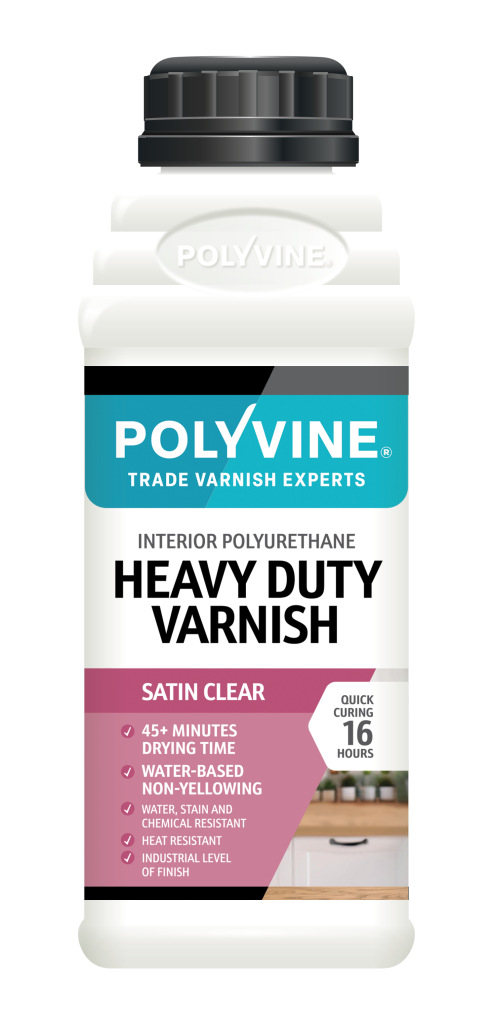
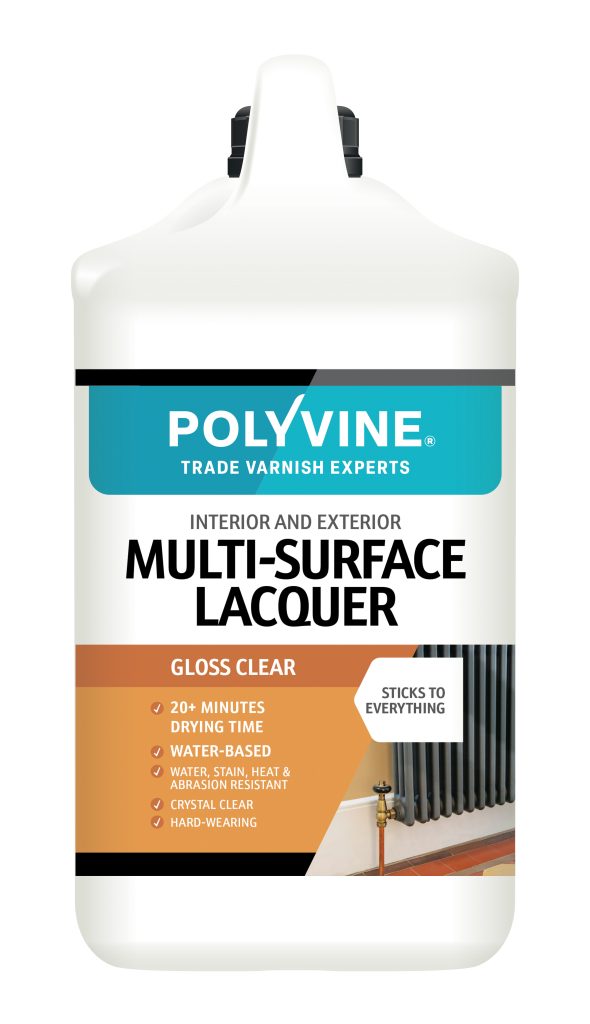
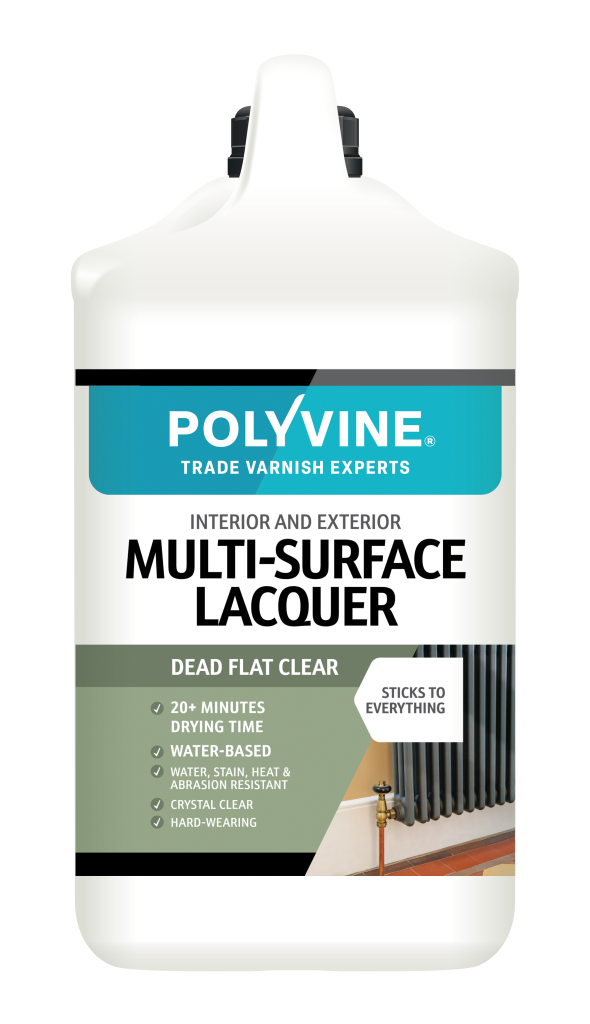
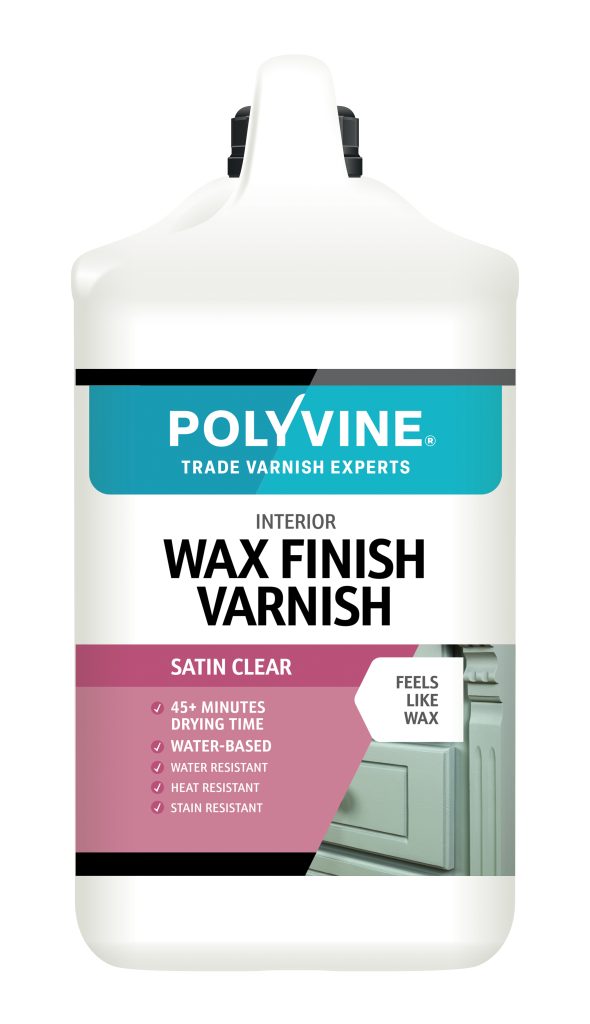
Applying water-based varnish with a brush is one of the most effective ways to achieve a controlled, smooth and professional finish on woodwork, furniture, doors and decorative surfaces.
With the right brush, careful preparation and a good application technique, you can achieve an even finish while protecting the surface from everyday wear.
At Polyvine, we’ve been developing and manufacturing professional water-based varnishes and coatings since 1986. In this guide, we share our expert advice on brushing water-based varnish, choosing the right equipment and avoiding common application problems.
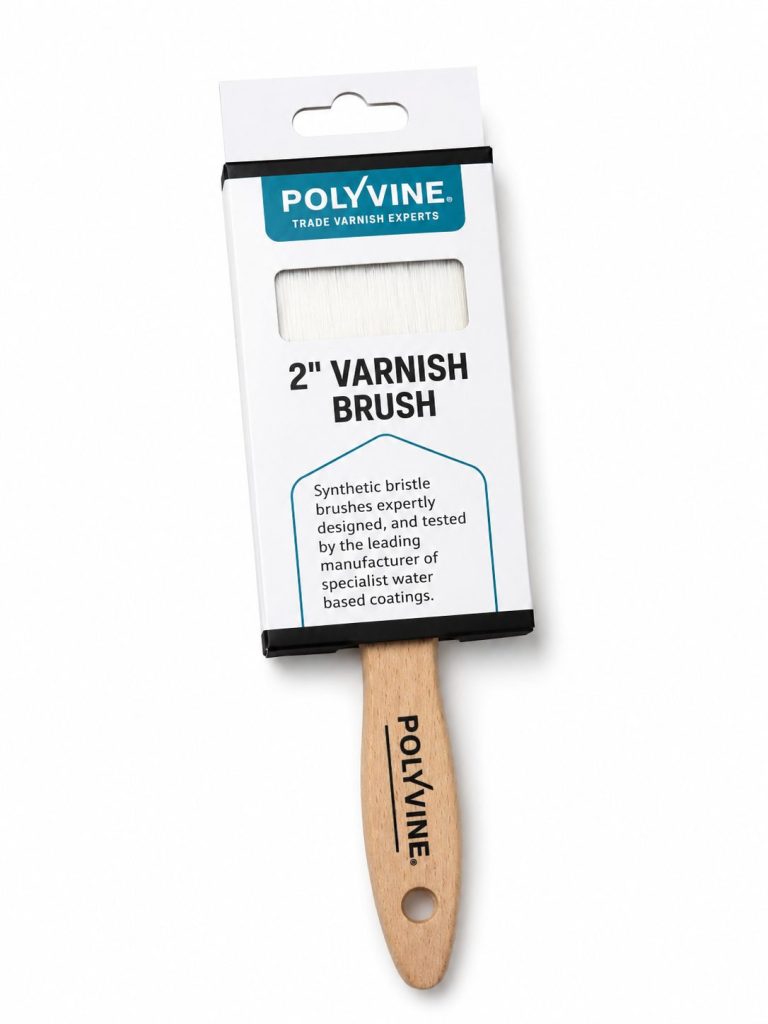
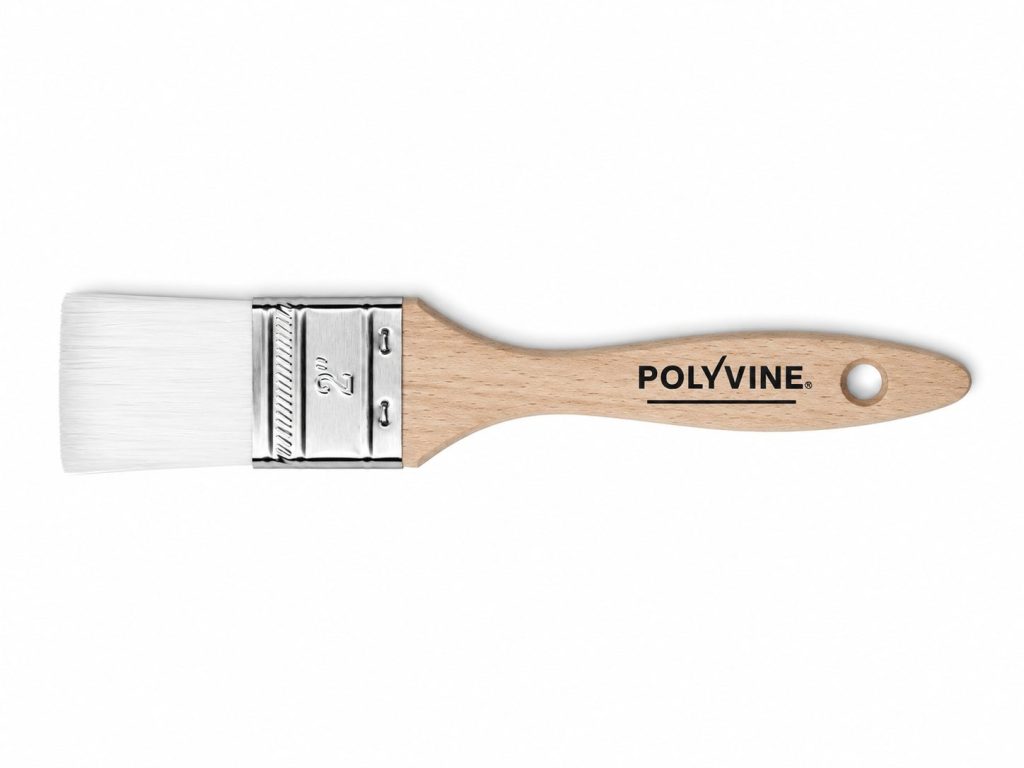
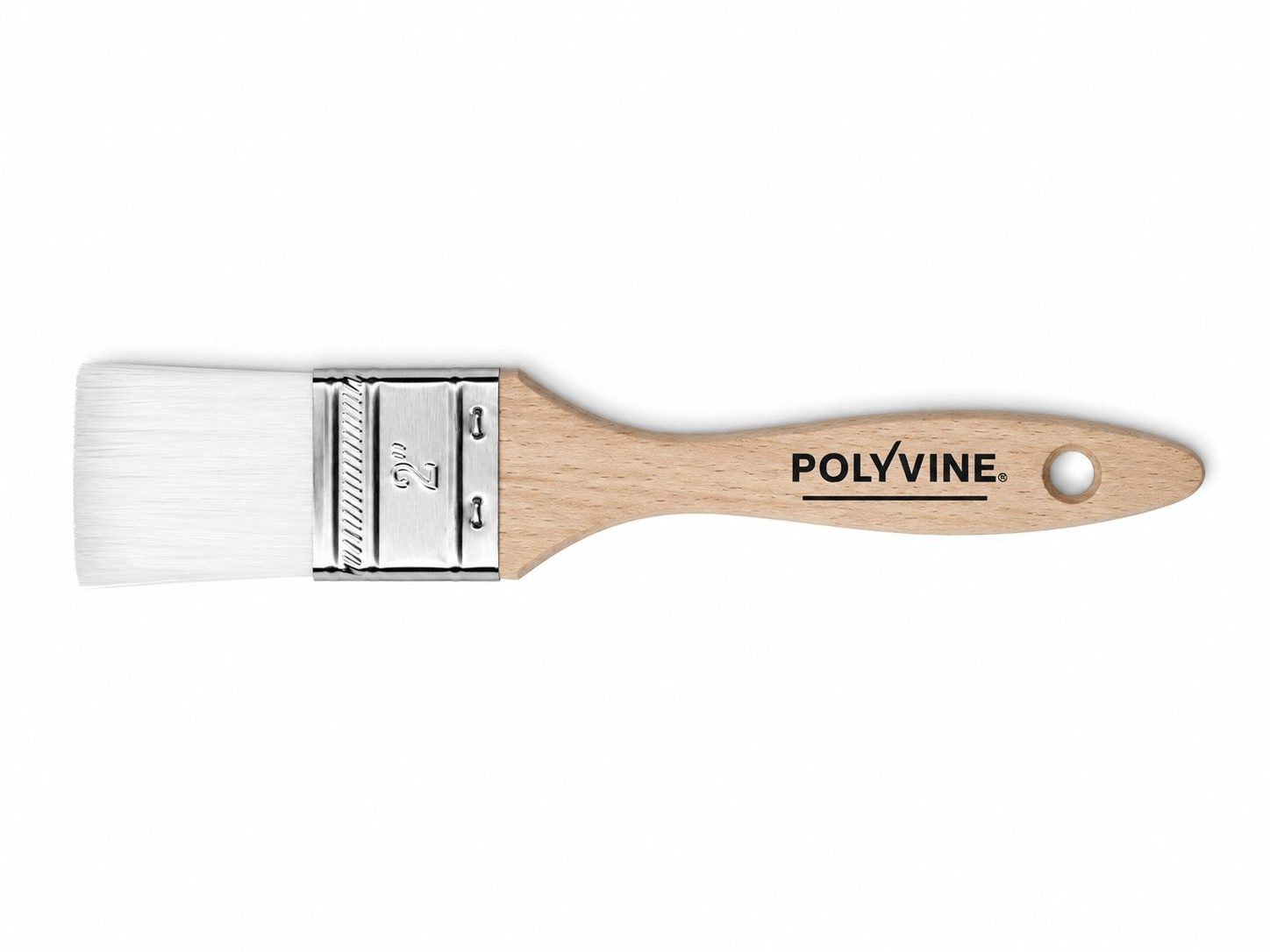
For most Polyvine water-based varnishes, we recommend using a high-quality synthetic varnish brush.
Synthetic bristles are particularly suitable for water-based coatings because they maintain their shape, provide good control and help distribute the varnish evenly.
A good varnish brush should have:
Avoid using worn, damaged or contaminated brushes, as these can leave marks, loose bristles and imperfections in the finish.
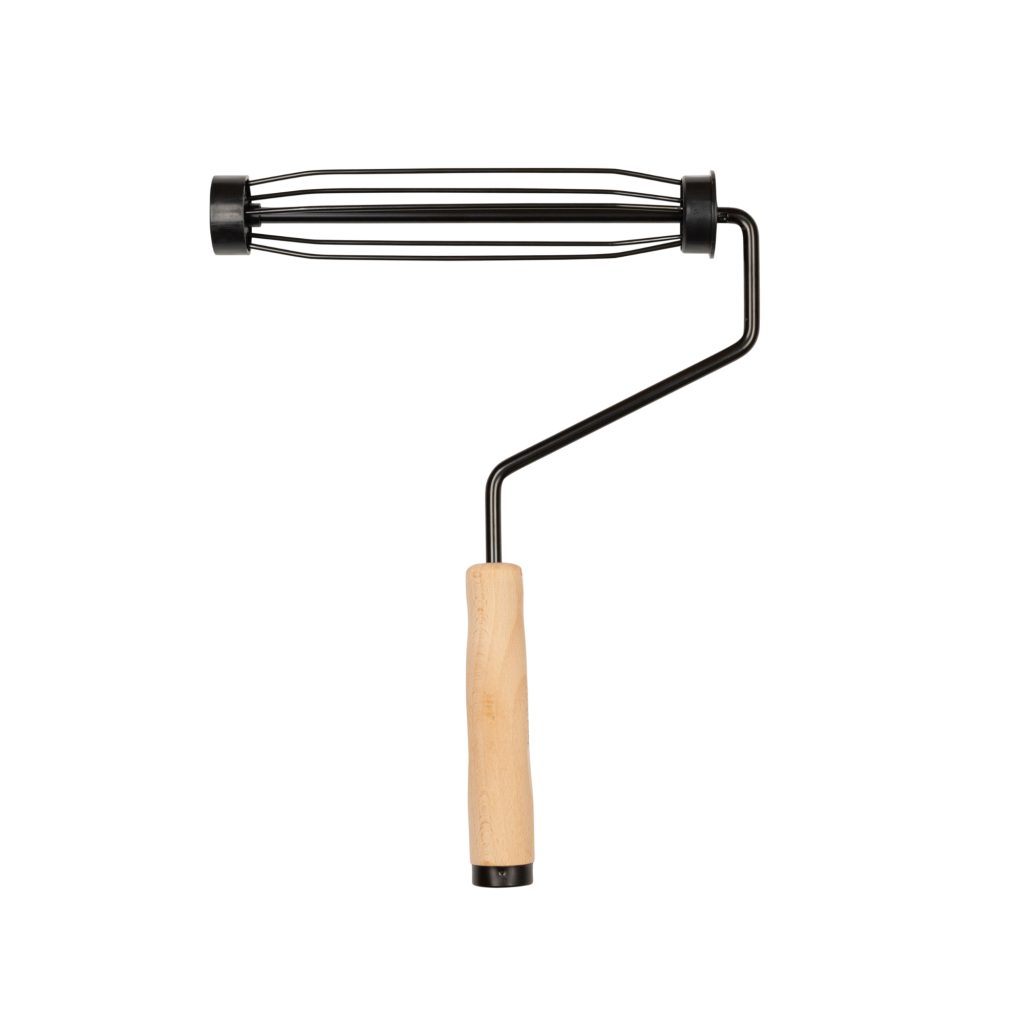
Polyvine Pro Tip: Use a brush appropriate for the size of your project. A wider brush can make larger, flat surfaces easier to coat, while a smaller brush provides greater control around edges, mouldings and detailed woodwork.
Brushing is particularly useful for:
Brushing gives the applicator excellent control over where the coating is applied, making it particularly effective for detailed work.
The quality of the finished surface depends heavily on the preparation underneath.
Before applying varnish, ensure the surface is clean, dry and free from dust, dirt, wax, grease and contamination.
For bare timber, sand as required using the appropriate abrasive grade for the timber and product.
Remove all sanding dust before application.
Previously painted or varnished surfaces may require cleaning and light abrasion to provide a suitable key.
Always follow the product’s preparation instructions, particularly when working with previously coated surfaces or naturally oily hardwoods.
Before beginning the full project, apply the varnish to a small, inconspicuous area.
This allows you to check:
Allow the test area to dry and cure according to the product instructions before assessing adhesion and performance.
This is especially important when applying varnish over existing paint, wallpaper, decorative finishes or previously treated timber.
Use a clean, high-quality synthetic varnish brush.
For suitable water-based varnishes, lightly dampening the brush with clean water and removing the excess can help prepare the bristles for application.
Ensure the varnish is thoroughly mixed before use.
Avoid vigorous shaking, which may introduce air bubbles.
Most Polyvine water-based varnishes are ready to use for normal brush application. Only dilute where the product’s technical data sheet specifically recommends it.
Load the brush with a manageable amount of varnish, avoiding excessive material that could cause runs or pooling.
Apply the varnish evenly using smooth, controlled strokes.
On timber, work in the direction of the grain wherever practical.
For painted and decorative surfaces, work systematically in manageable sections.
Spread the varnish evenly, avoiding excessive brushing or repeated passes over the same area.
Polyvine Pro Tip: Aim for a consistent, even coat rather than trying to achieve the entire protective finish in one heavy application.
Maintaining a wet edge is one of the most important techniques when brushing water-based varnish.
This means working from one section into the next while the previously applied coating is still wet.
Avoid allowing one area to begin drying before brushing back into it.
Water-based coatings can dry relatively quickly, particularly in warm, dry or draughty conditions.
Repeatedly brushing over varnish that has started to dry can disturb the finish and leave visible marks.
Work methodically and avoid overworking the coating.
Once the first coat has been applied, allow it to dry for the time specified in the relevant Polyvine technical data sheet.
Drying time will depend on the product, temperature, humidity, ventilation and application thickness.
Do not assume that a surface which feels dry is fully cured.
When applying water-based varnish to bare timber, the first coat may cause some of the wood fibres to rise.
This is commonly known as grain raising.
Once the first coat has dried sufficiently, light de-nibbing with an appropriate fine abrasive may be recommended to produce a smoother finish.
Remove all sanding dust before applying the next coat.
Always check the individual product instructions before sanding between coats, particularly when working over painted or decorative finishes.
Apply the recommended number of coats using the same controlled brushing technique.
Maintain an even application and follow the specified recoating intervals.
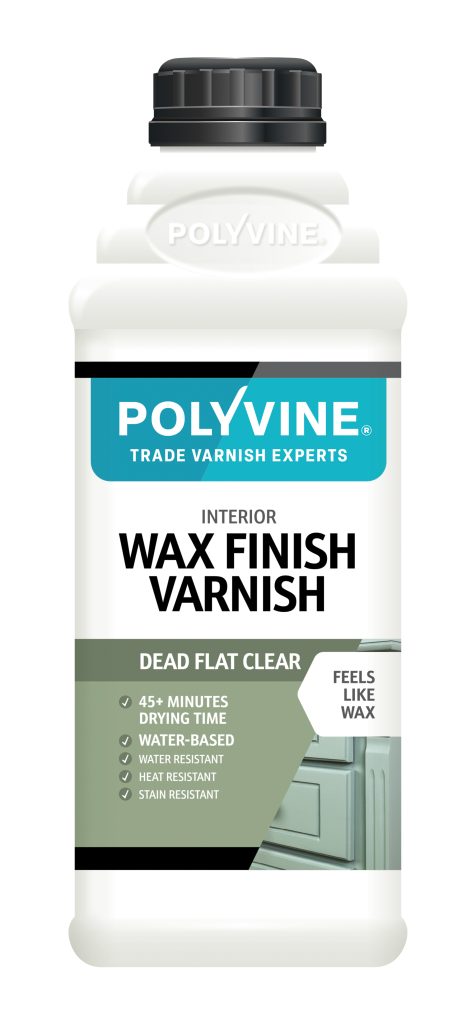
Some Polyvine finishes use a particular combination of satin and dead flat coats to achieve the required durability and final appearance.
Always follow the coating system specified for your chosen product.
Allow the completed coating system to cure fully before subjecting it to heavy use, cleaning or abrasion.
Brush marks are one of the most common concerns when applying varnish by hand.
Fortunately, good preparation and application technique can make a significant difference.
Choose a fine synthetic brush designed for water-based coatings.
A poor-quality or unsuitable brush can leave visible lines in the finish.
Water-based varnish begins drying soon after application.
Repeatedly working over the same area can disturb the coating and leave brush marks.
Apply evenly, maintain a wet edge and allow the varnish to level.
Heavy coats can lead to uneven drying, pooling and runs.
Follow the product’s recommended coverage and application instructions.
High temperatures, direct sunlight and strong air movement can accelerate drying and make it more difficult to maintain a wet edge.
Very low temperatures and high humidity can also affect drying.
Follow the temperature and environmental limits stated in the product’s technical data sheet.
Scratches, dust and existing surface imperfections can become more noticeable after varnishing.
Good preparation is essential for a smooth result.
Possible causes: Overworking the varnish, using an unsuitable brush or losing the wet edge.
Solution: Use a quality synthetic brush, apply evenly and avoid repeatedly brushing areas that have begun to dry.
Possible causes: Shaking the container, vigorous brushing or using unsuitable application equipment.
Solution: Mix the product gently, avoid excessive brushing and use a suitable brush.
Possible causes: Water-based coatings can cause fibres in bare timber to swell and rise.
Solution: Allow the first coat to dry and lightly de-nib where recommended before applying further coats.
Possible causes: Inconsistent coating thickness, inadequate mixing or uneven surface absorption.
Solution: Mix the varnish thoroughly, apply consistent coats and follow the correct coating system.
Possible causes: Contamination, incompatible existing coatings or insufficient preparation.
Solution: Prepare the surface correctly and carry out a test area before the main application.
Clean your brush promptly after application, following the product instructions.
For suitable water-based varnishes, remove excess material and wash the brush with warm, soapy water.
Rinse thoroughly with clean water and allow the brush to dry naturally.
Keep the bristles in good condition by storing the brush correctly once dry.
Do not allow varnish to dry in the bristles, as this can affect the brush’s performance on future projects.
Dispose of coating residues and wash water responsibly.
Polyvine recommends a high-quality synthetic varnish brush for many of its water-based varnishes. Synthetic bristles provide good control and help achieve a smooth, even application.
Use a suitable brush, apply consistent coats, maintain a wet edge and avoid overbrushing. Working in suitable drying conditions is also important.
For suitable water-based products, a clean synthetic brush may be lightly dampened with water before use. Remove excess water so that it does not unnecessarily dilute the coating.
Most Polyvine water-based varnishes are ready to use for normal brush application. Some products recommend dilution of the first coat on porous surfaces. Always check the individual technical data sheet.
Light de-nibbing may be recommended, particularly on bare timber where the first coat has raised the grain. Follow the instructions for your chosen product and surface.
This depends on the product and intended use. Some Polyvine varnishes require particular coating systems to achieve the specified protection and sheen. Refer to the technical data sheet for the recommended number of coats.
Some water-based varnishes can appear milky in the container or when wet before drying clear. However, persistent cloudiness may indicate a problem with the application, surface or drying conditions. Check the product guidance and allow the coating to dry fully before assessing the result.
At Polyvine, we’re proud to support professional decorators, joiners and finishers with technical expertise developed over 40 years of manufacturing water-based coatings.
Explore our Technical Helpsheets and Technical Data Sheets for more detailed product information.
For specific application advice, call 01934 740305 or email info@polyvine.co.uk.
Polyvine — Trade Varnish Experts.
Polyvine products are stocked at all good decorators’ merchants across the UK. Search our directory to find your nearest stockist.